Seedance 2.0AI Video
Seedance 2.0 Hands-On Review: What Marketers Actually Need to Know
Seedance 2.0 just launched. We break down what works, what doesn't, and how to fit it into a real marketing pipeline.
February 23, 202616 min readRead
Seedance 2.0 just launched. We break down what works, what doesn't, and how to fit it into a real marketing pipeline.
.jpg&w=3840&q=75)
Three models, three philosophies. A shot-by-shot guide to picking between Seedance 2.0, Veo, and Sora for real campaigns.
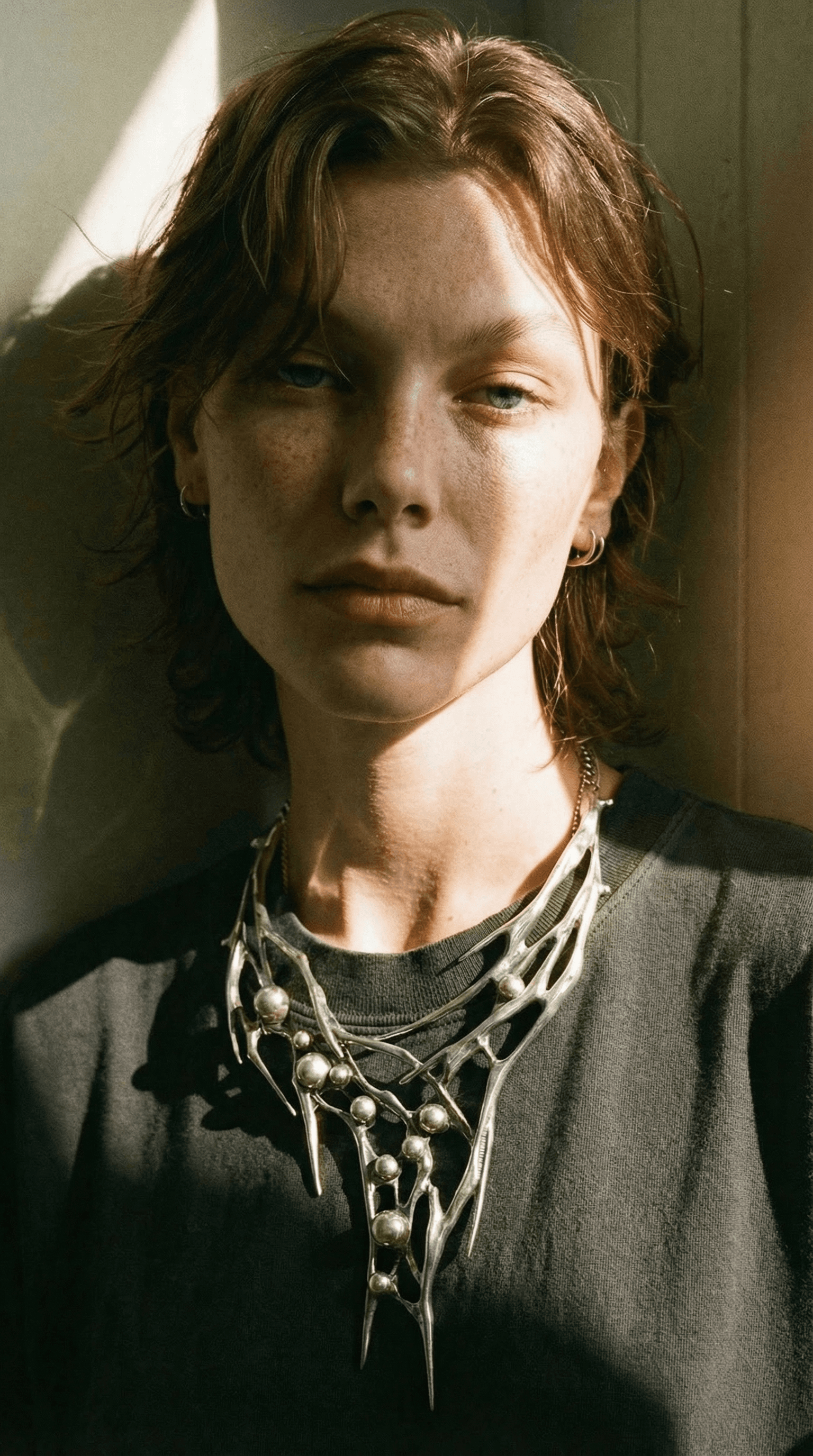
A production guide to accessories model reproduction: why “remake this shot” fails in one step, what to lock (product, pose/action, light direction), and how to build a repeatable workflow that reproduces a winning on-model scene across SKUs without drift.
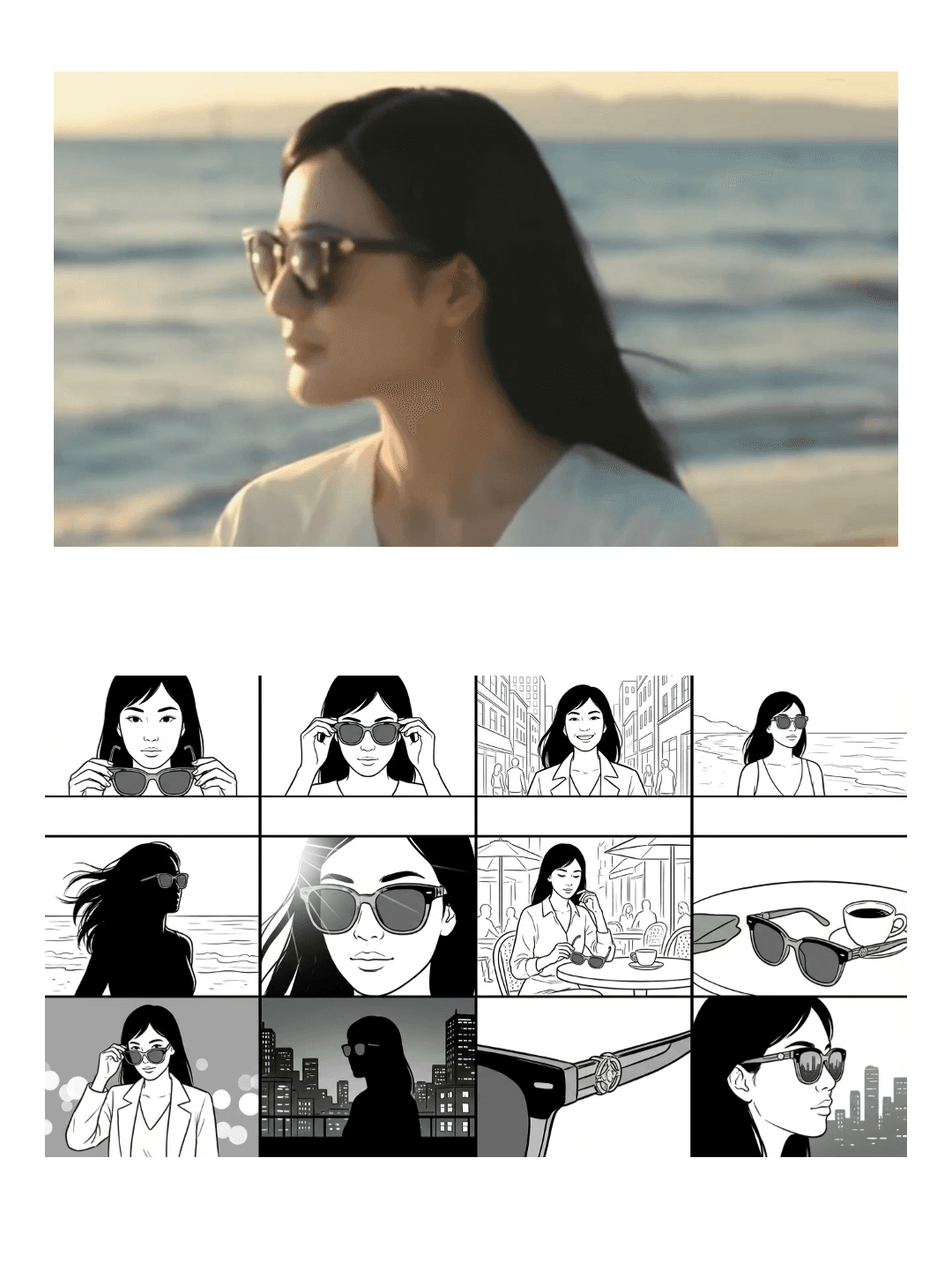
A production-minded guide to camera movement control in AI video: why camera prompts fail, how to translate intent into shot language, and how to build a reusable shot library with storyboards and workflows.
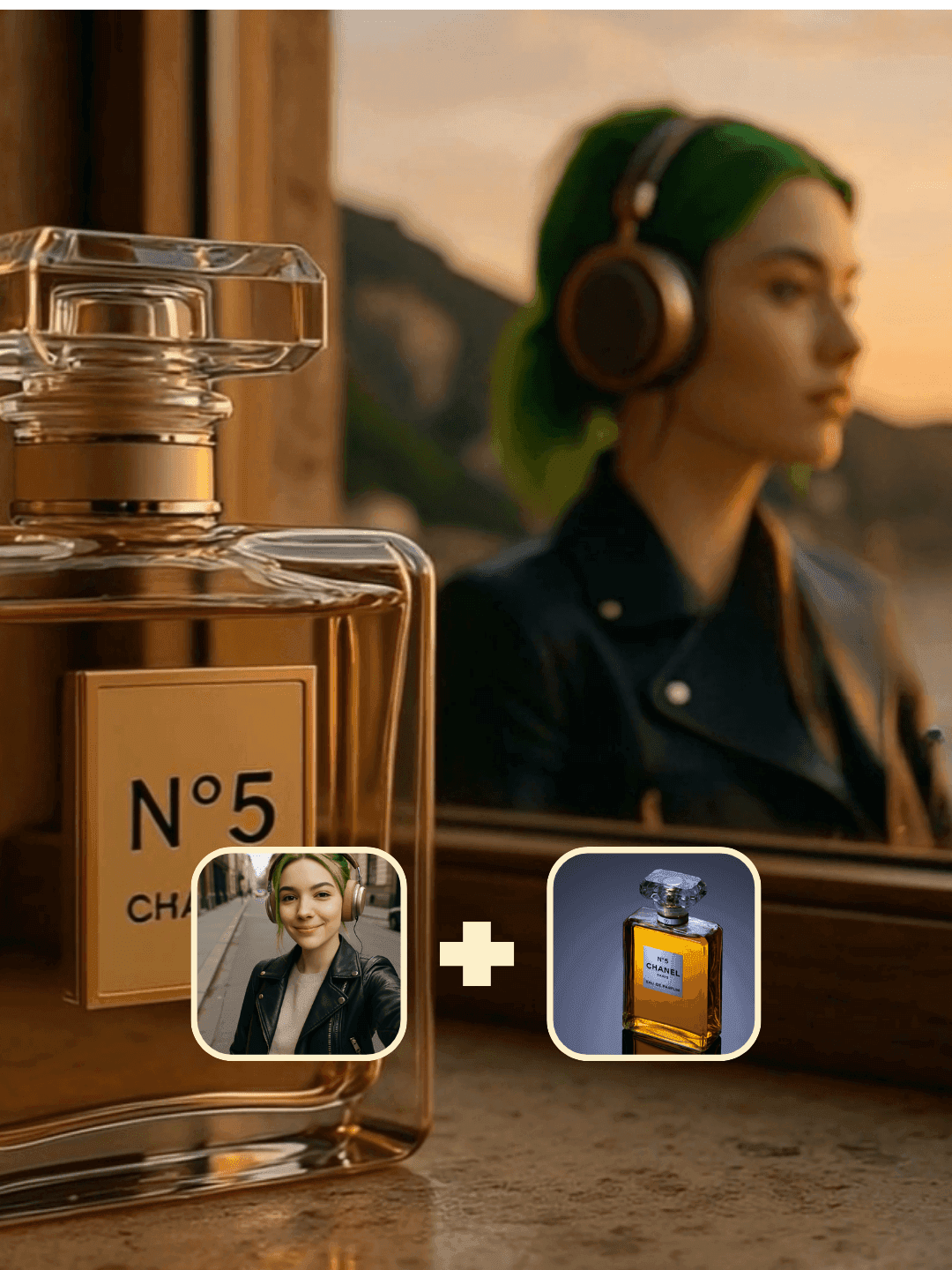
A workflow guide to consistent character ads: why characters drift across generations, how to build an identity anchor (reference sheet), and how to produce multi-variant ad clips where only the script, scene, or camera changes while the spokesperson stays the same.
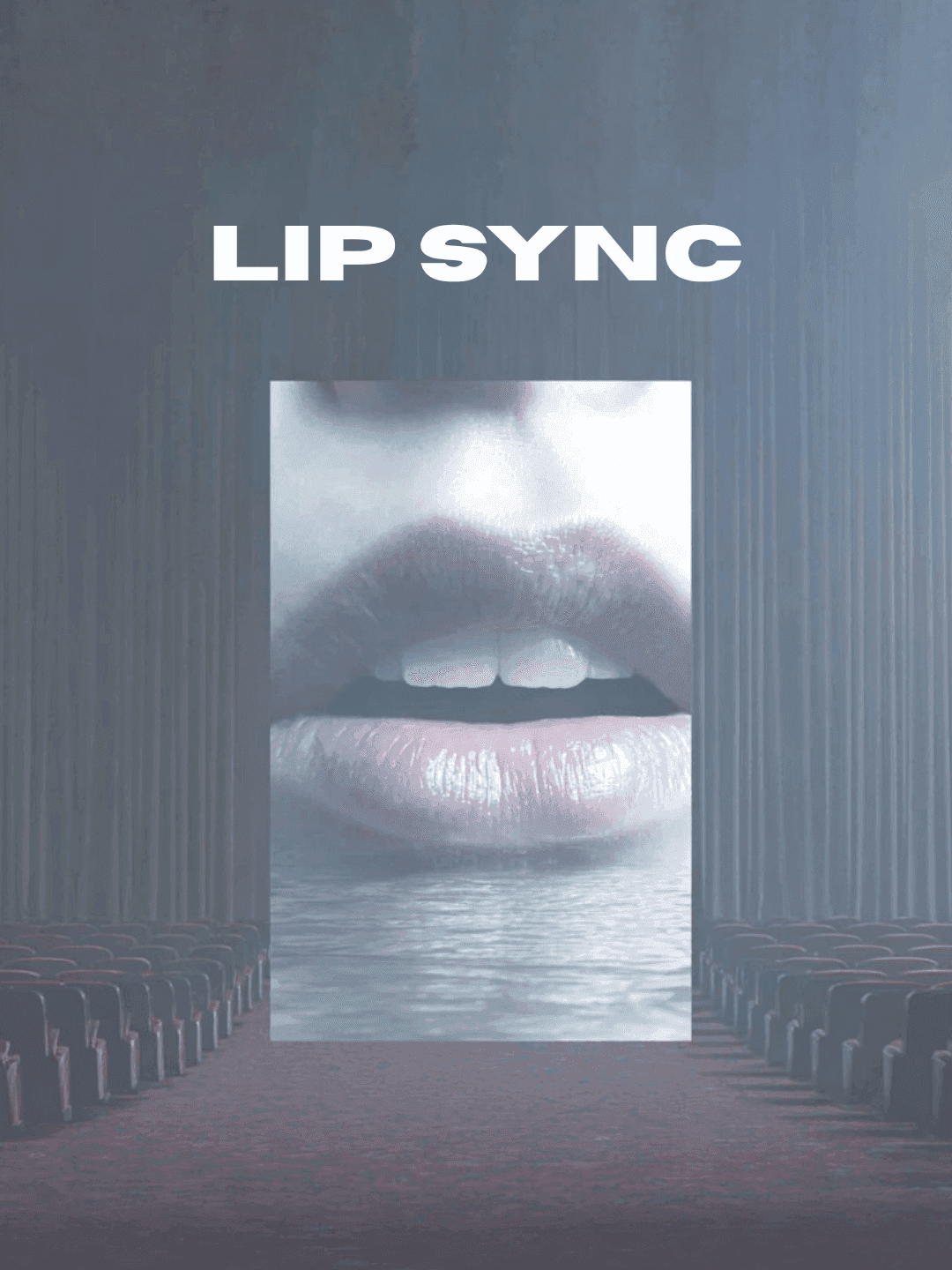
A production guide to AI lip sync: what “lip sync quality” actually means (phonemes, visemes, timing), why results break (plosives, coarticulation, head motion), and a workflow approach to ship talking-head UGC and explainers with repeatable edits and consistent outputs.
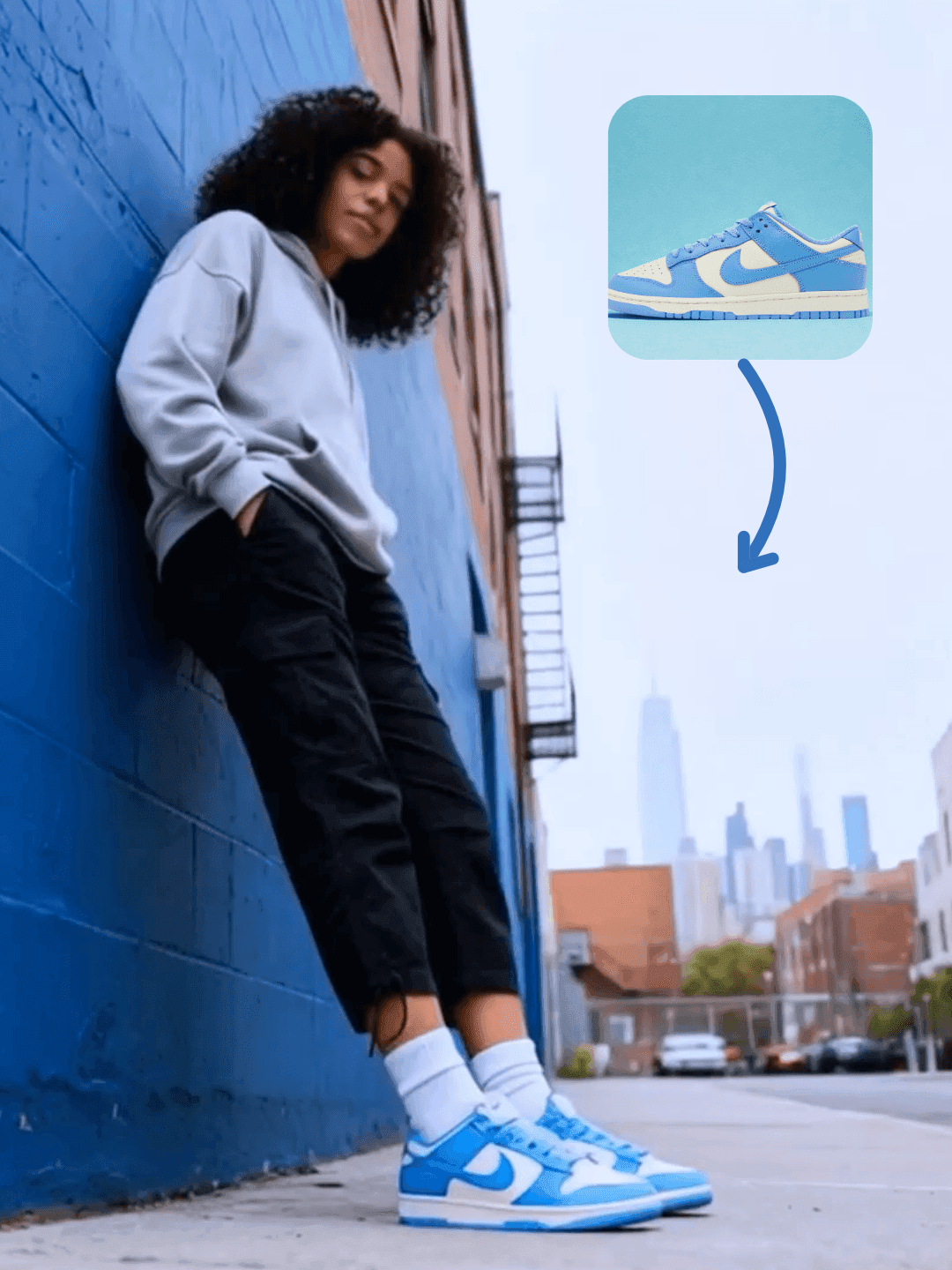
A production-minded guide to AI model poses for fashion and e-commerce: why "pose prompts" often look stiff, how to describe poses as executable constraints, and how to build a reusable pose library that keeps on-model visuals consistent across SKUs.
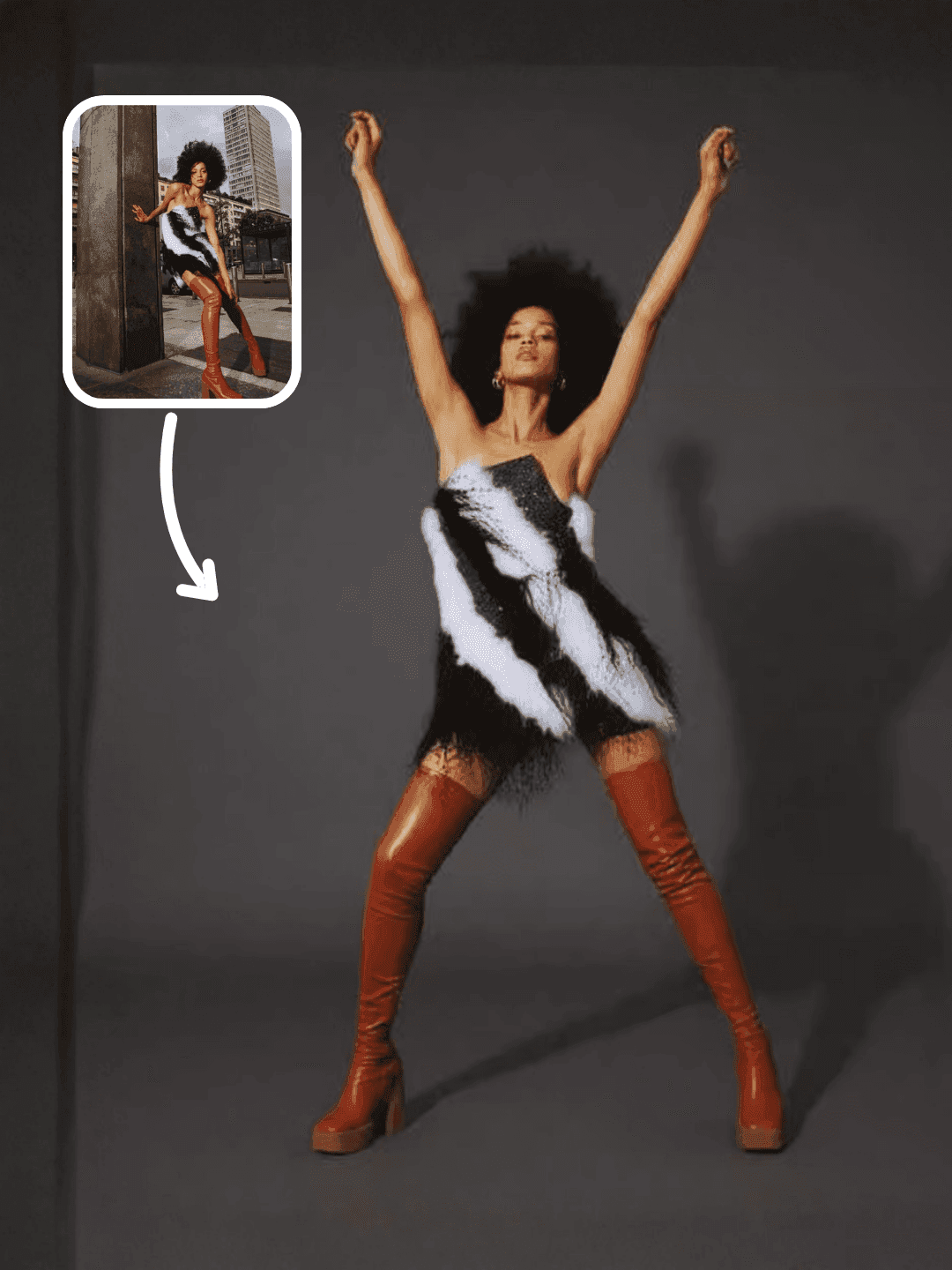
A production-focused guide to markerless AI motion capture for creators: how pose estimation becomes a usable control signal, how to pick/record reference clips that transfer cleanly, and how to turn action capture into repeatable Pose-to-Video workflows for ads and short-form.
.png&w=3840&q=75)
A practical comparison of AI avatar video tools for marketing and product explainers - what matters in production (lip sync, voice, brand safety, translation, API, and batching) and when a workflow approach beats one-off generators.
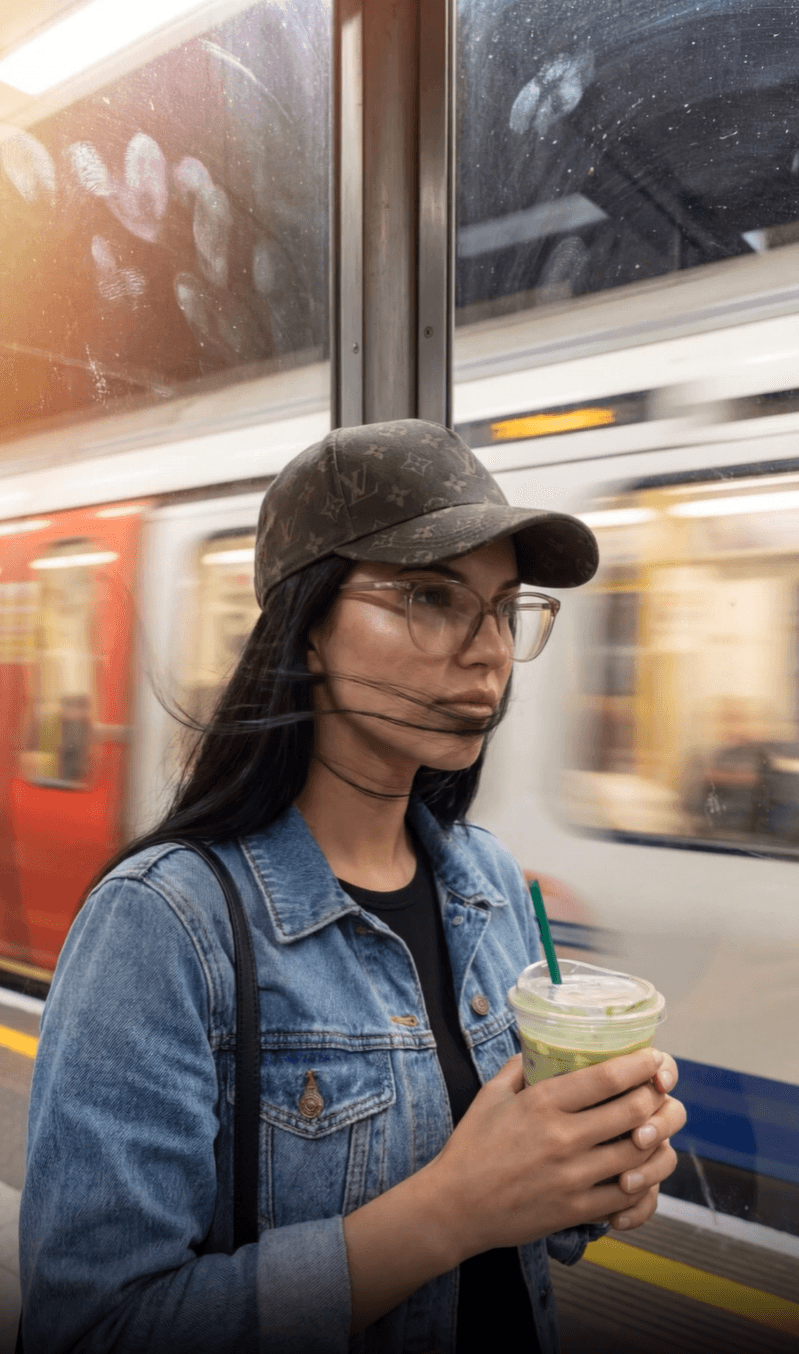
A production-minded guide to building a multi-angle character reference sheet for AI influencers and virtual models: why identity drifts, how reference sheets and "Character DNA" reduce randomness, and how to turn the method into a reusable workflow.
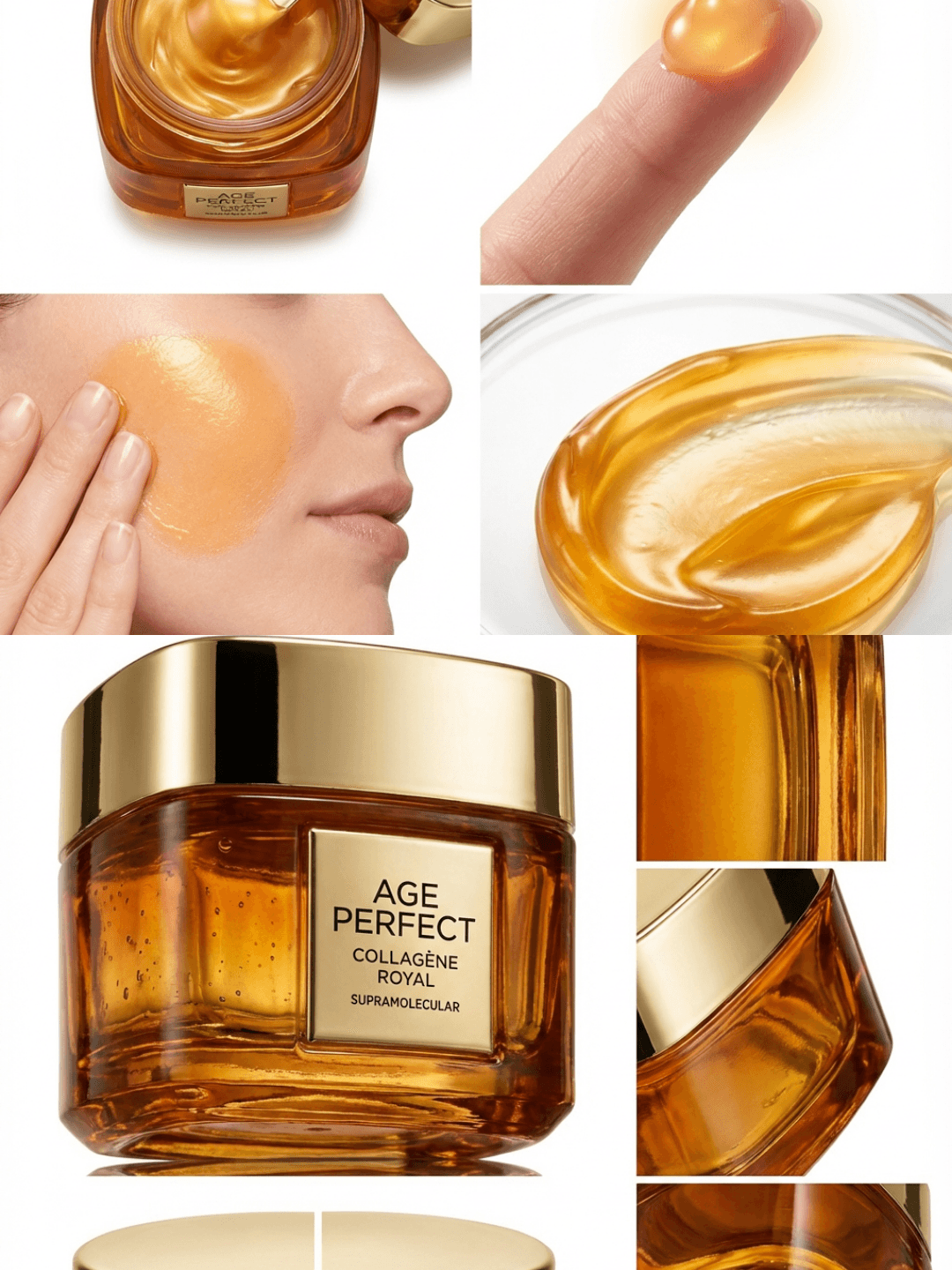
A detailed guide to viewpoint editing with an angle-control atom: what "horizontal angle" and "vertical angle" actually mean, why angle edits cause drift, and how to use an angle-control workflow to generate multi-view assets for products and characters.
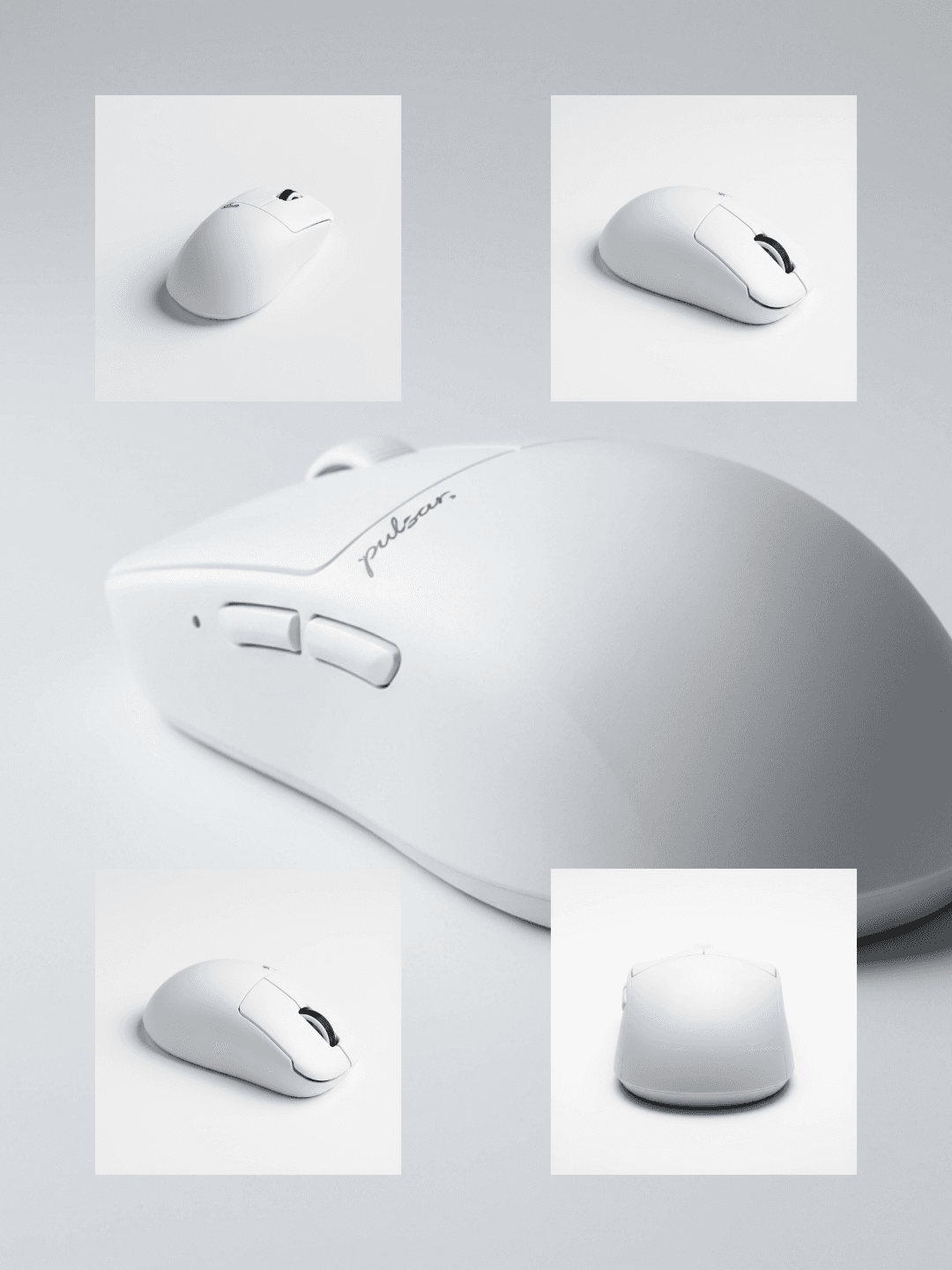
A production-minded guide to AI product angle change and 360 views: why single-step generations drift, how to stabilize logos and proportions, and how to turn one product photo into a reusable multi-angle / 360 workflow.
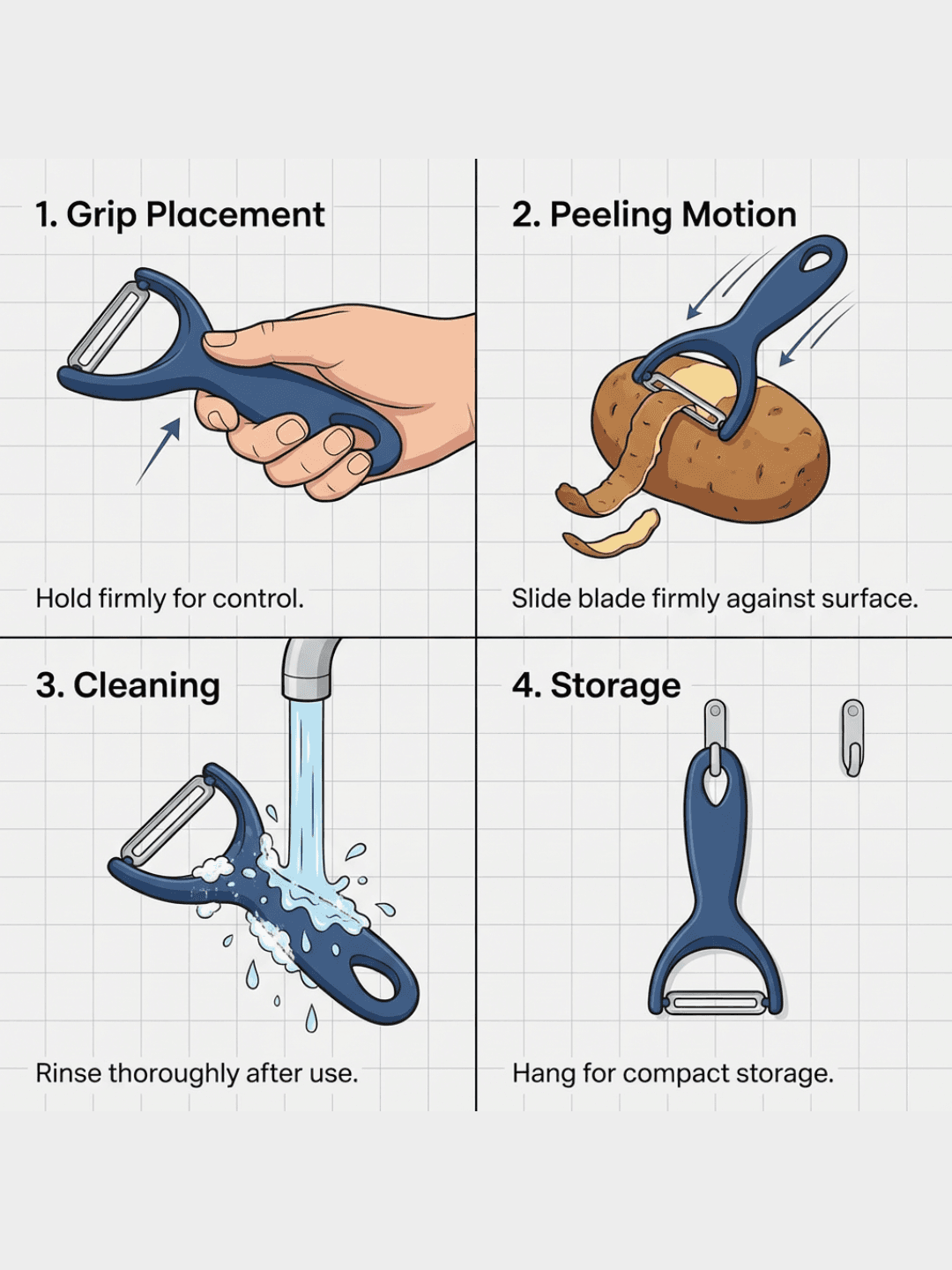
A practical comparison of AI + design approaches for product infographics: how to keep claims accurate, text readable, and style consistent across SKUs - plus when to switch from one-off designs to reusable workflows.
A production-minded guide to AI storyboards and shot breakdowns: why most prompts don't translate into usable footage, how to generate multi-camera shot grids, and how to turn a storyboard into repeatable video generation workflows.
A practical comparison of six mainstream AI video models based on real-world commercial testing—Seedance 1.5 Pro, Google Veo 3.1, Sora 2, Wan 2.6, Kling 2.6, and Vidu Q2—with pros, cons, and use cases so you can pick by goal: conversions, realism, camera control, storytelling, IP, or cost.
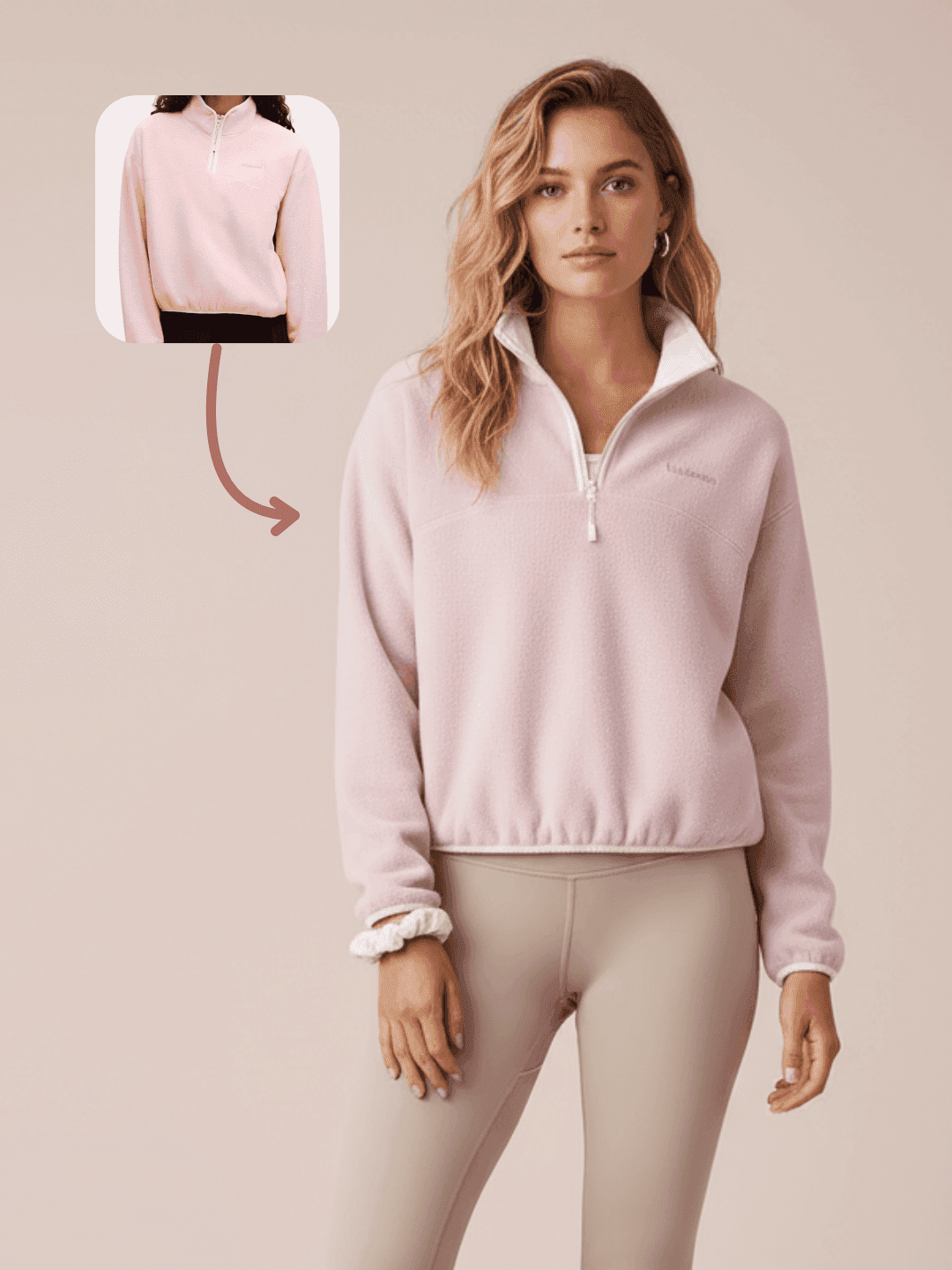
A production-minded comparison of modern AI virtual try-on approaches (diffusion and classic VITON-style) with practical selection rules: garment fidelity, logo/texture stability, pose handling, speed, and how to make results repeatable with workflows.
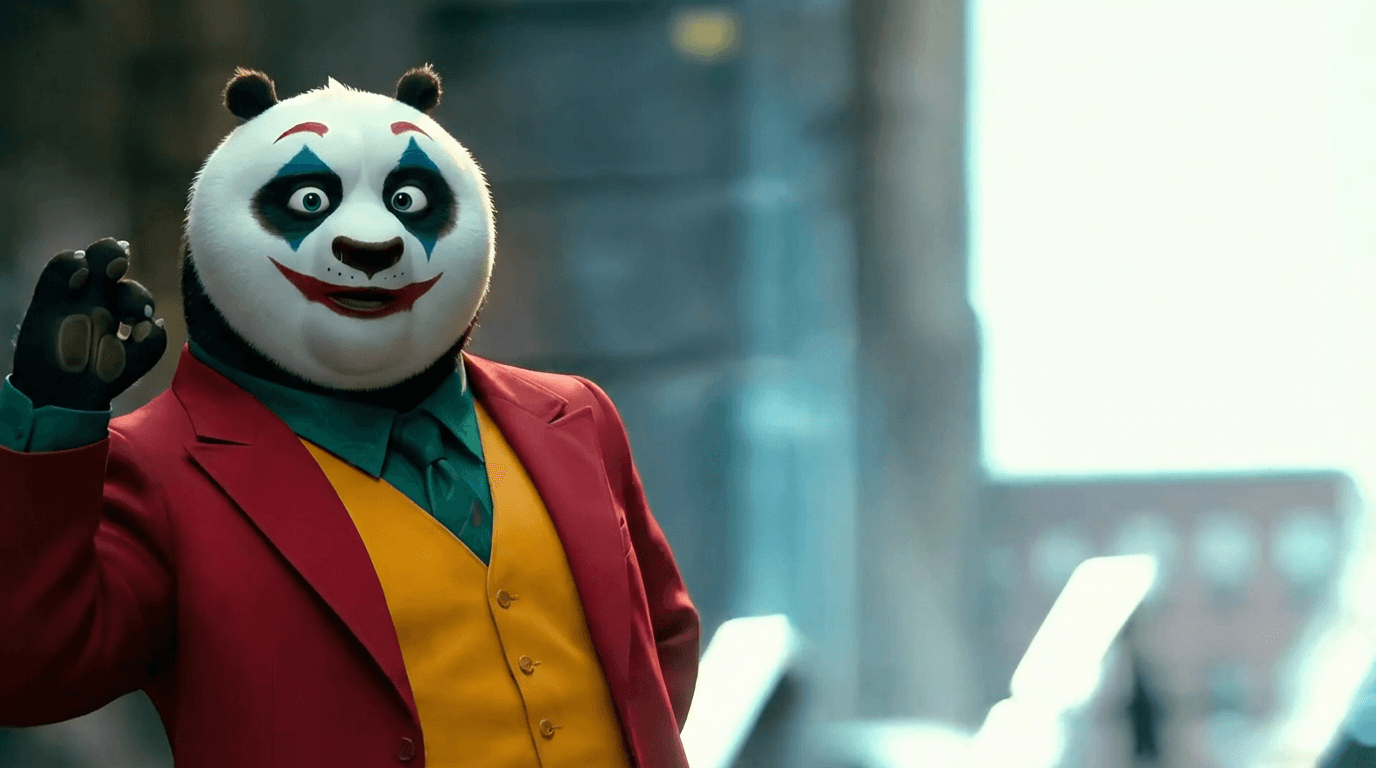
A detailed, production-minded guide to the Kling Motion Control atom (motion transfer): what inputs it needs (image + reference video), how the key orientation toggle changes results and duration, and how to make motion-driven videos repeatable in workflows.
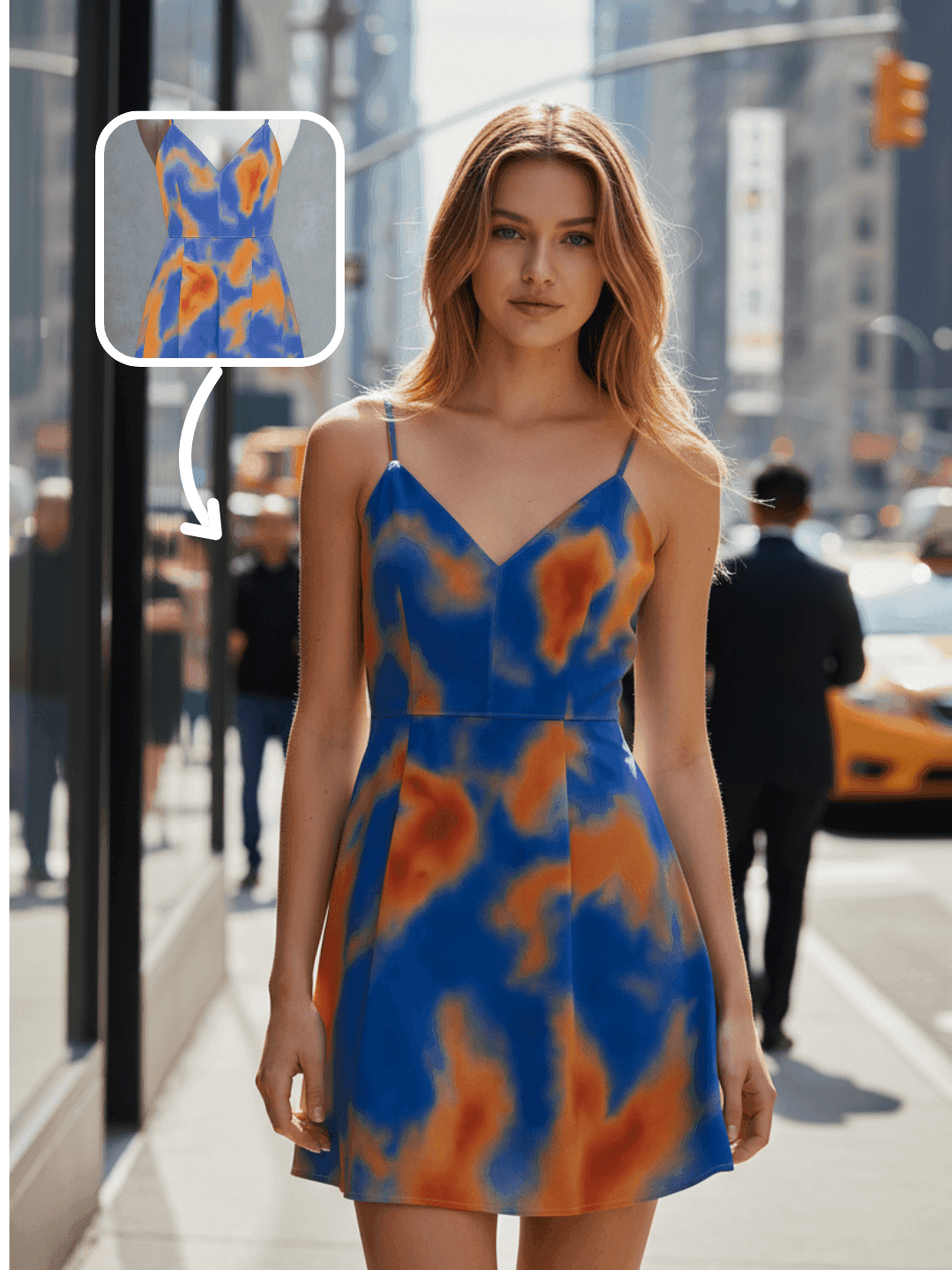
A practical comparison of free AI video generators for TikTok, Reels, and Shorts—what you get for free, which limits matter (refresh vs one-time credits), and when a workflow approach like OpenCreator is worth it.
Brands need consistent content output, but AI generates a different person every time. This article breaks down a complete workflow for creating AI influencers—from locking character DNA to scene production—so you can batch-generate style-consistent social media content.
A practical, production-minded way to turn one product photo into consistent “feature callout” infographics by splitting the job into controllable steps and reusing a workflow.
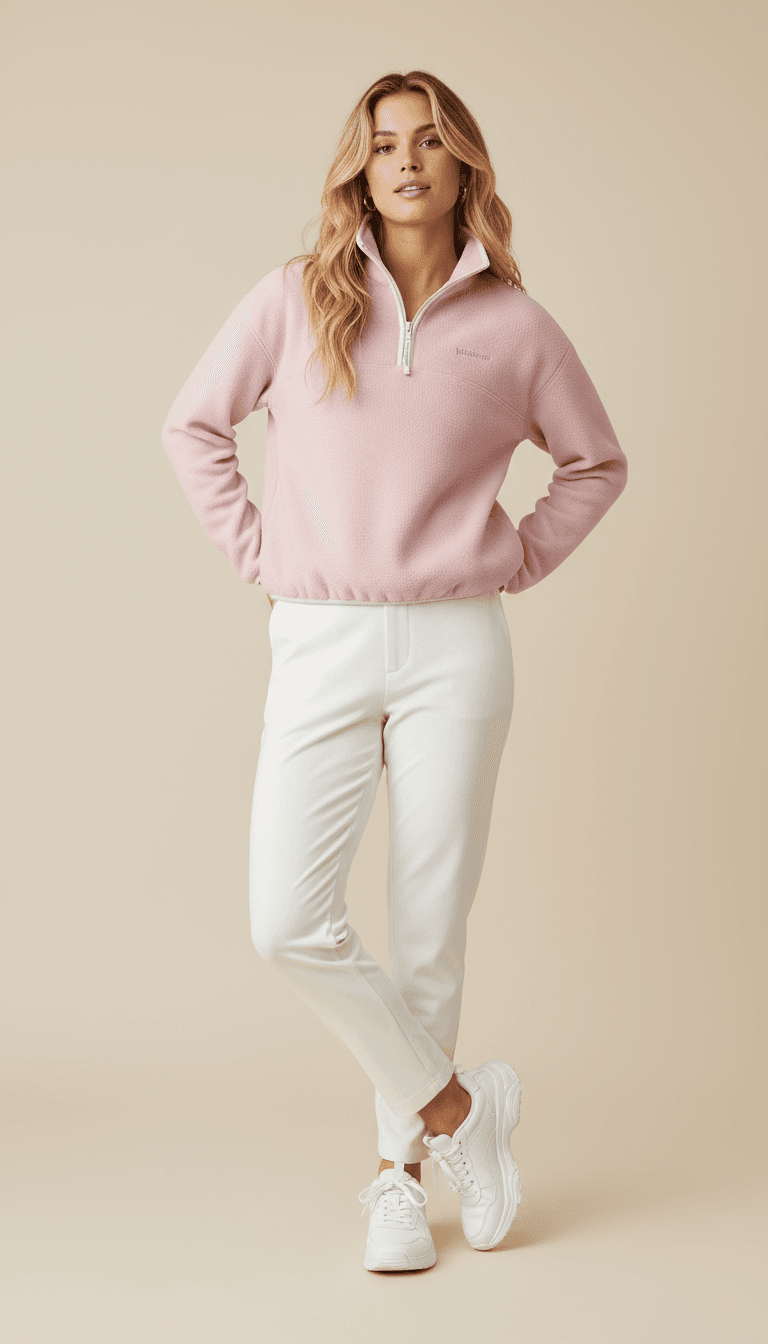
A practical, production-minded way to generate on-model apparel images by splitting virtual try-on into controllable steps and turning them into a reusable OpenCreator workflow.
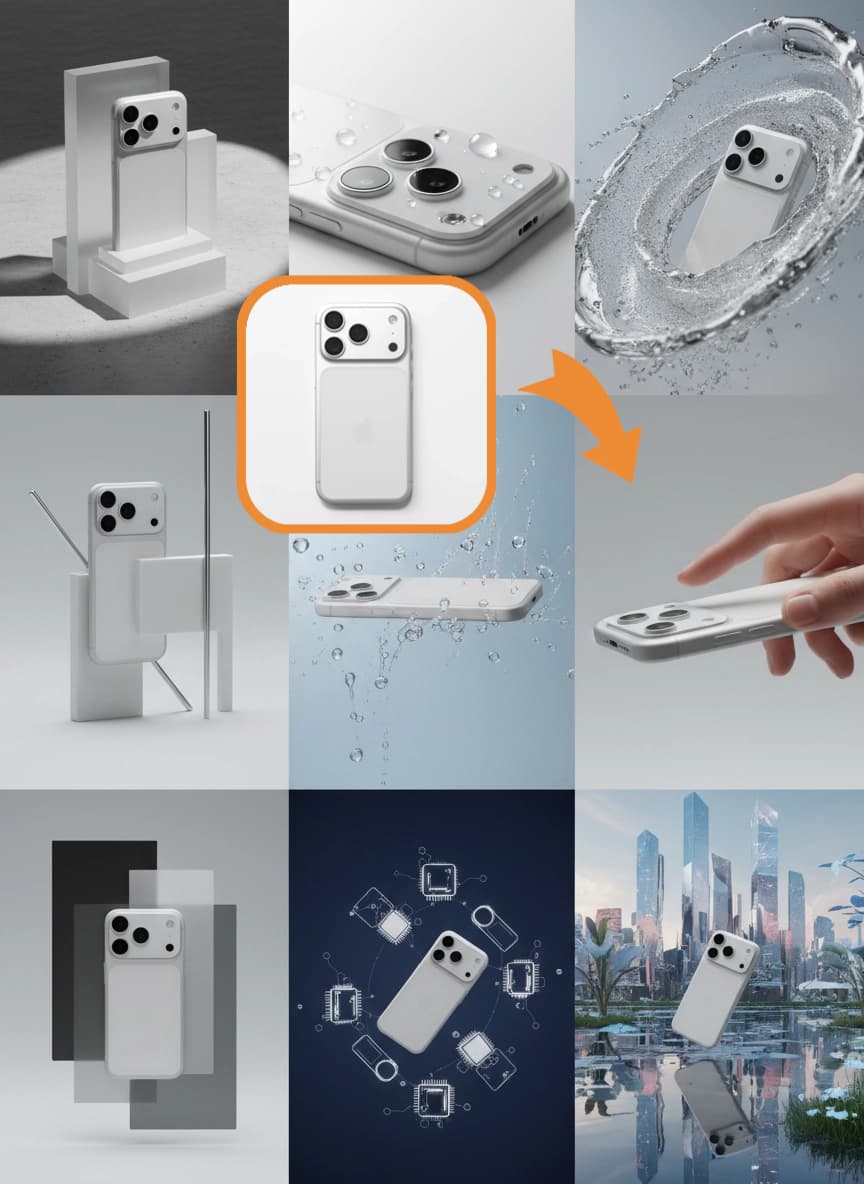
A practical guide to choosing AI product photo tools by task type, plus a clear line for when single-purpose tools stop scaling and workflows become the better option.
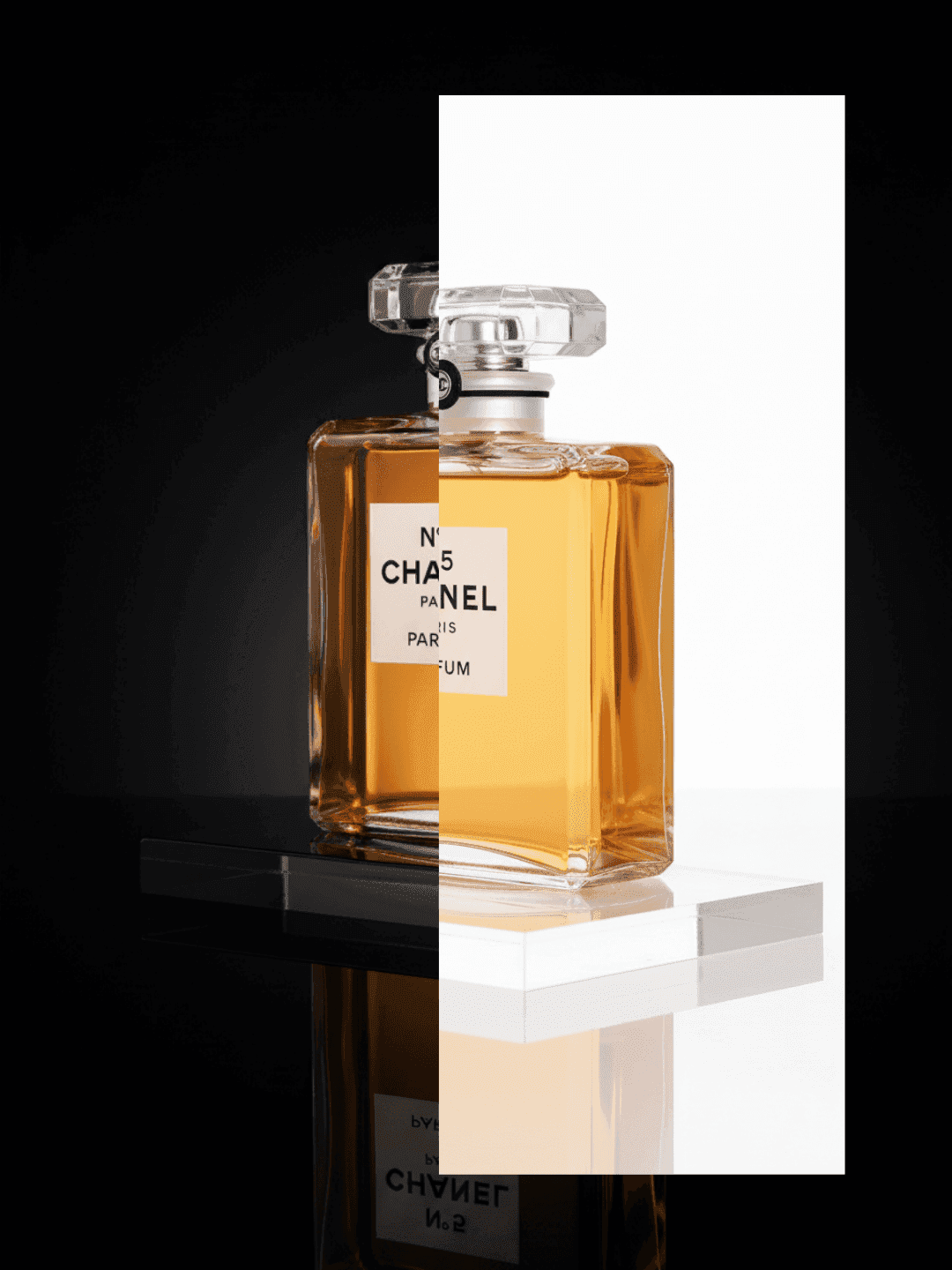
Starting from common issues like dirty edges, inconsistent lighting, and materials that look pasted on, this guide offers 4 transferable solutions and breaks down OpenCreator's Product Background Swap workflow.